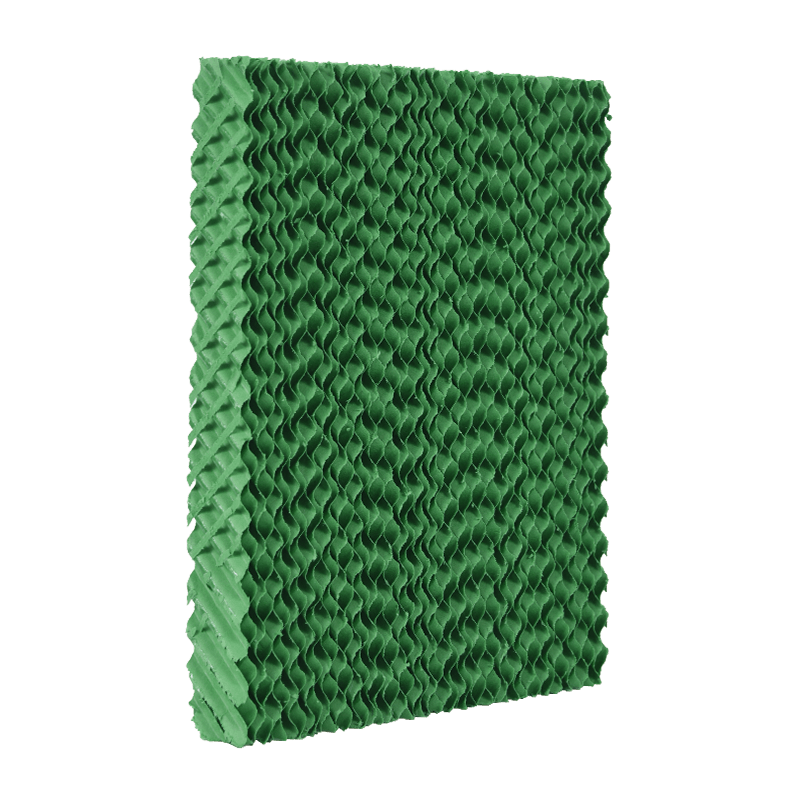
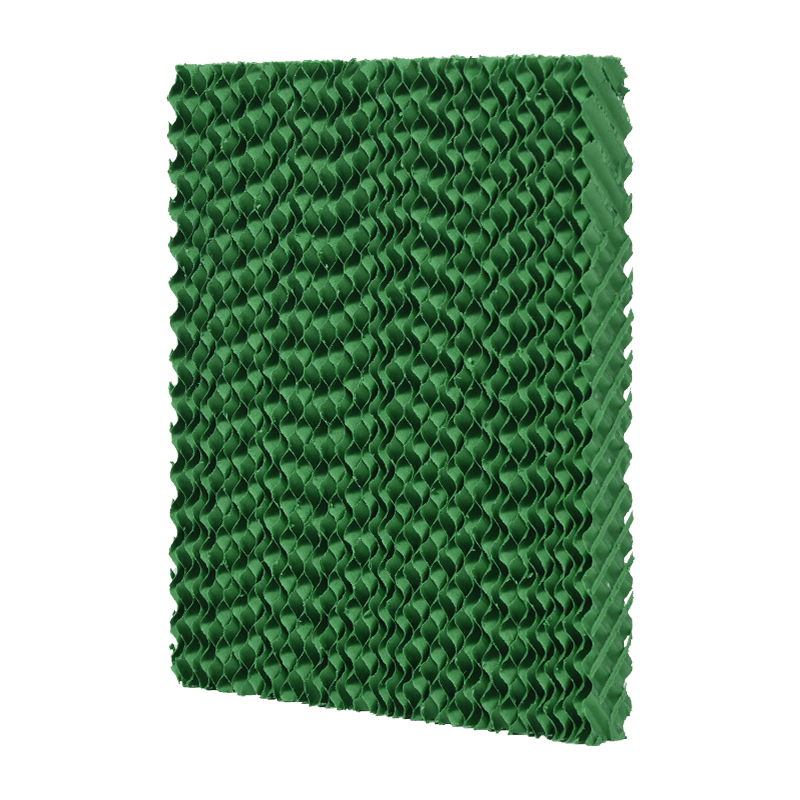
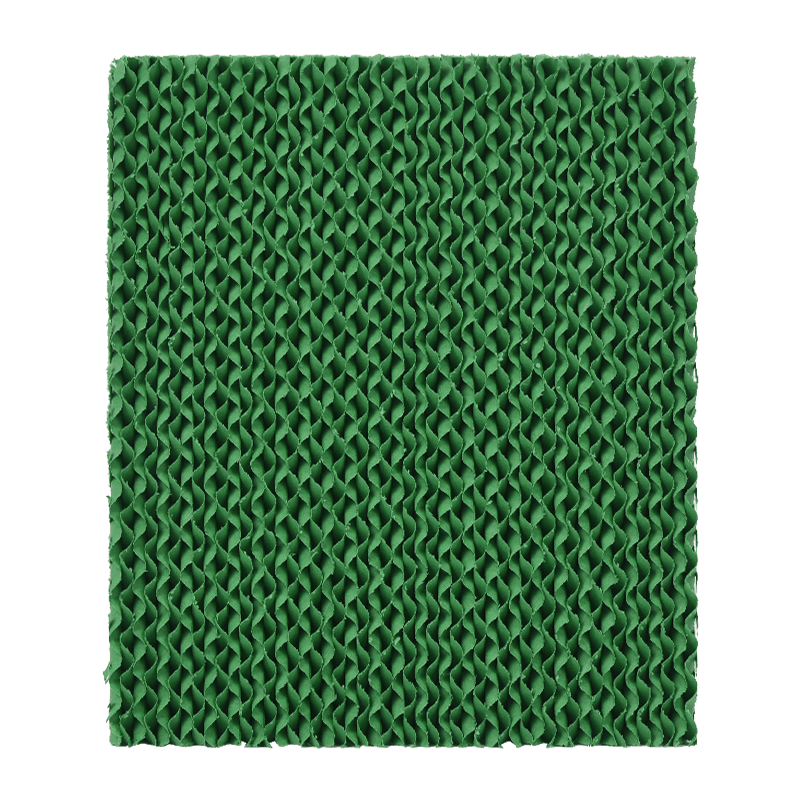
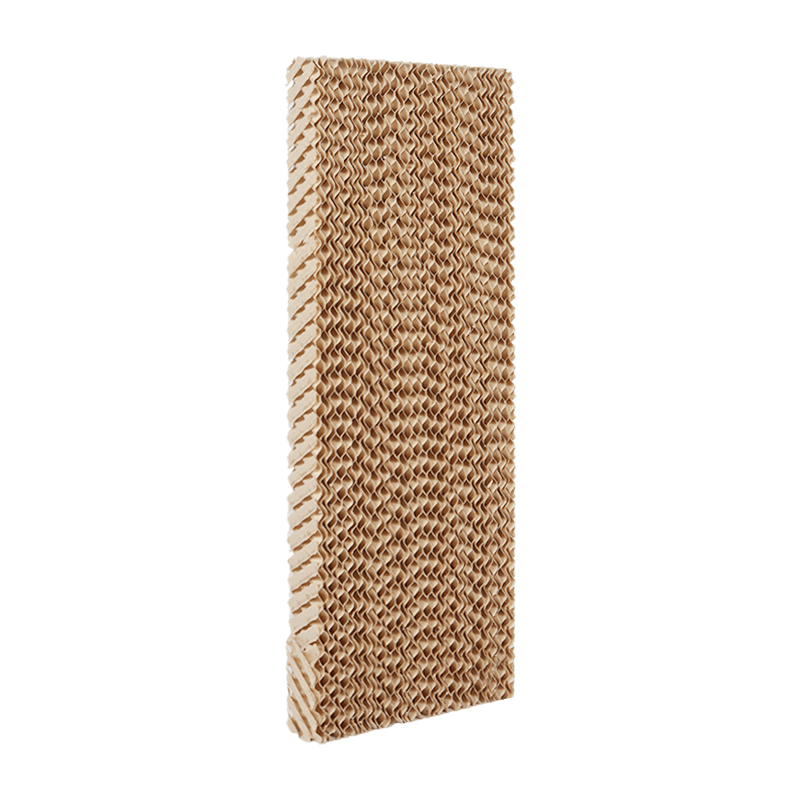
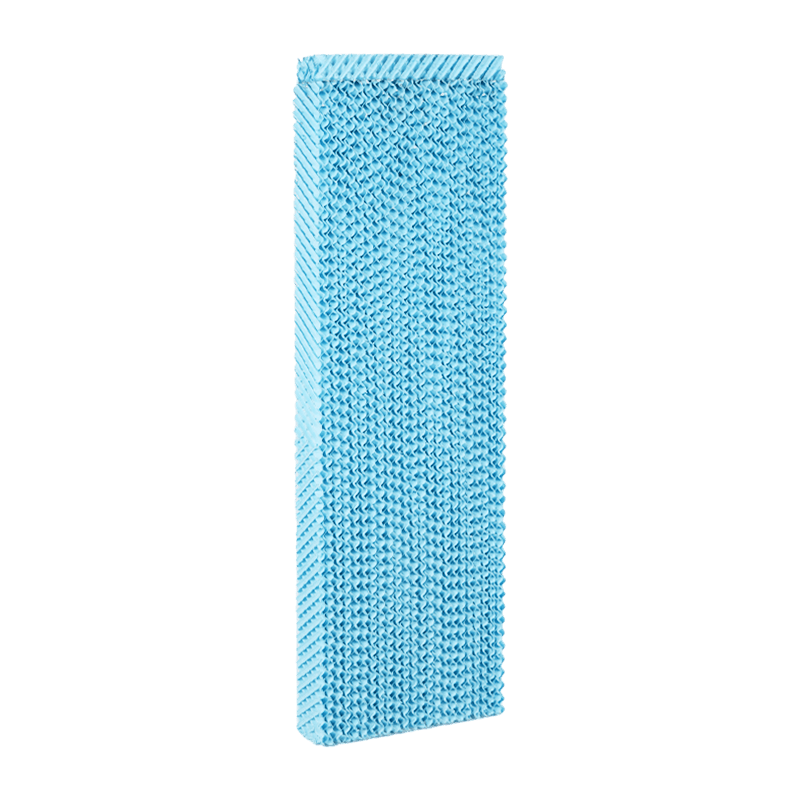
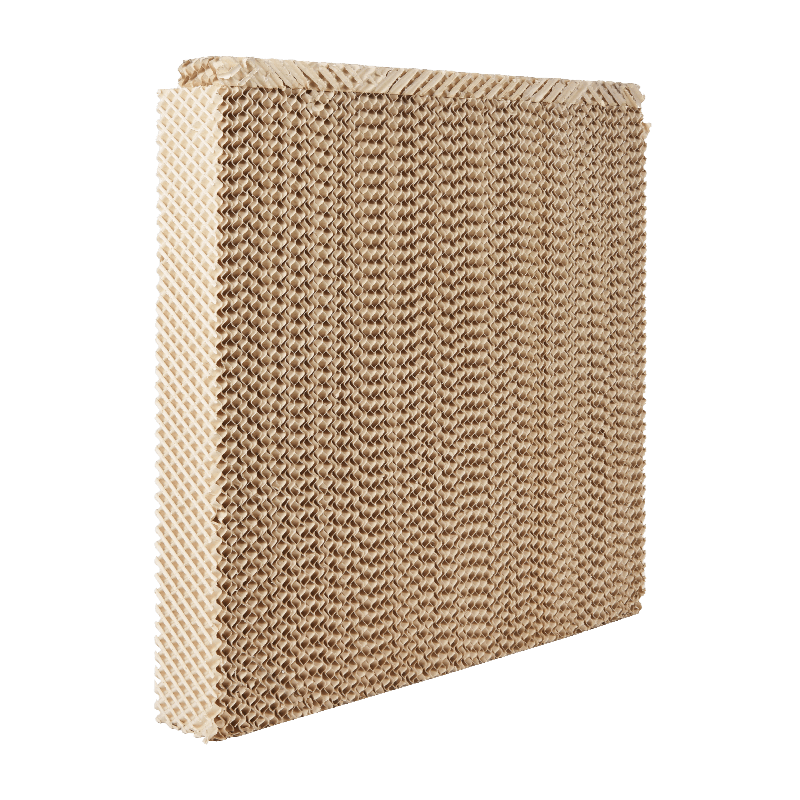
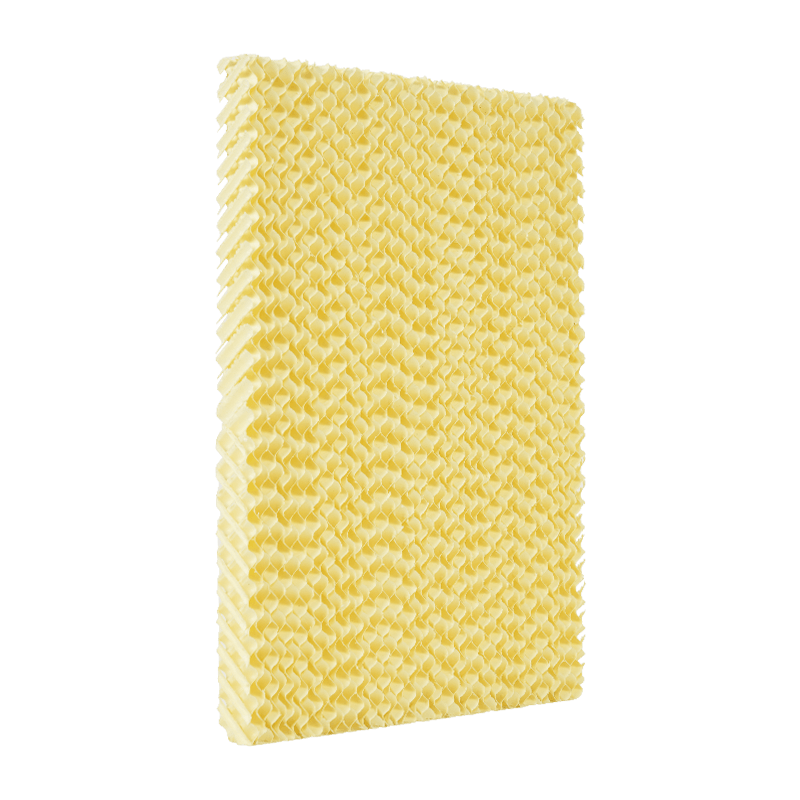
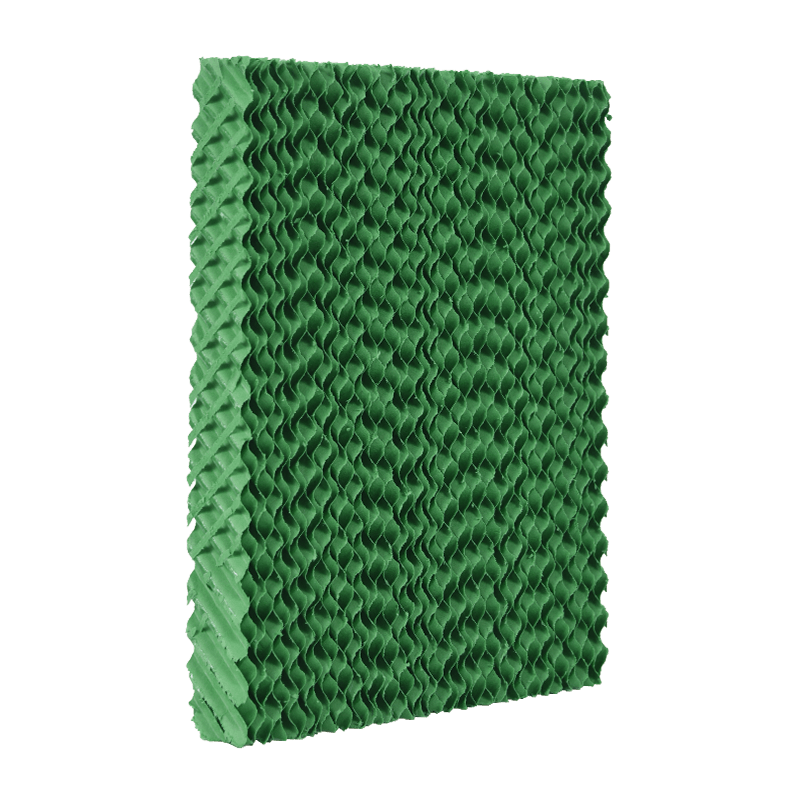
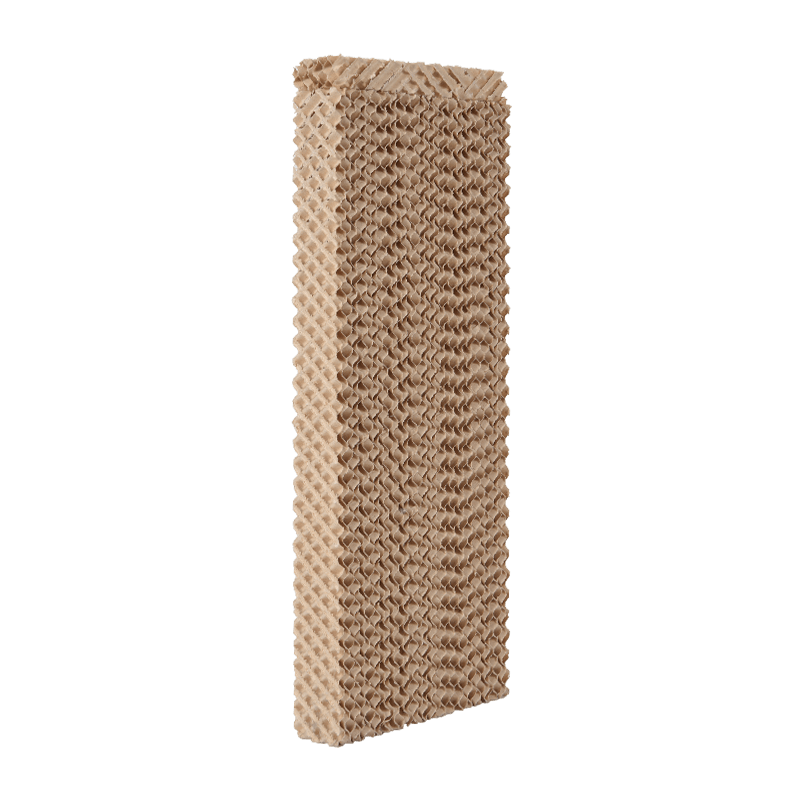
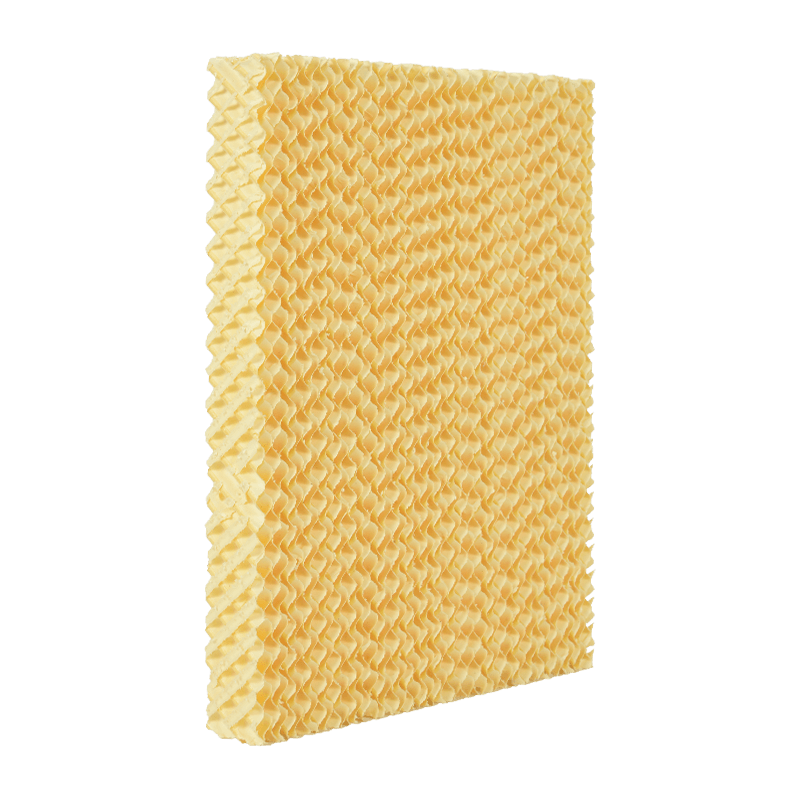
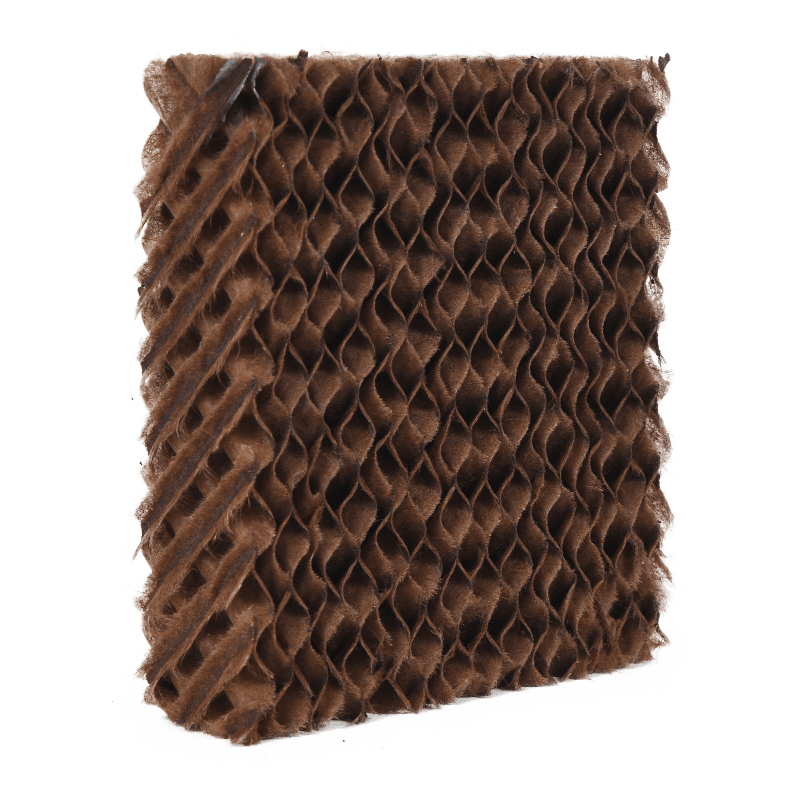
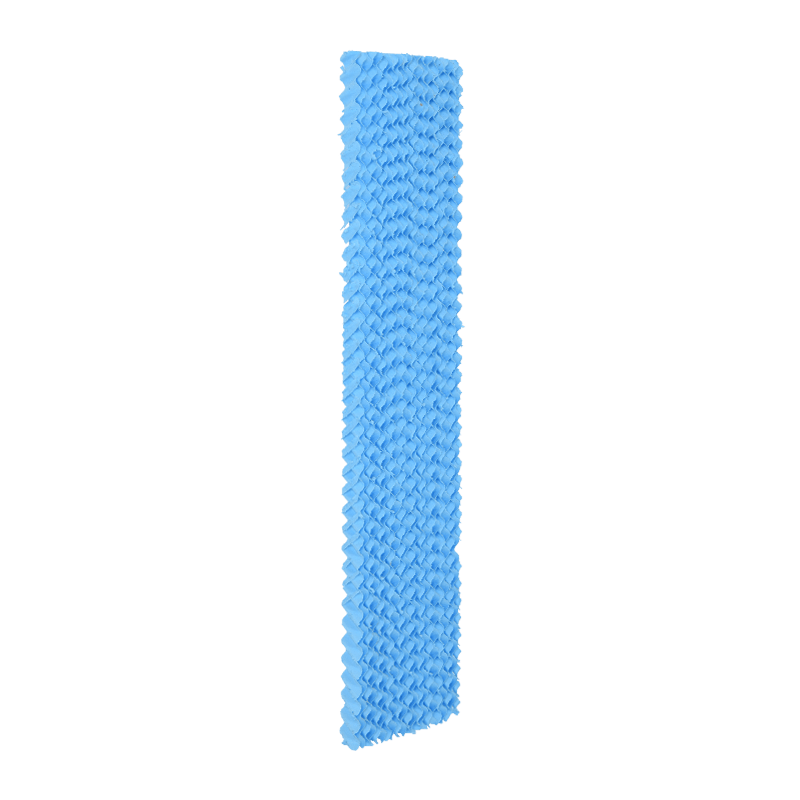
| MPN | KA-7090 |
| SKU | KA7090LL1 |
| Pad Height(mm) | 1,500, 1,800, 2,000 |
| Pad Width(mm) | 300, 600, 900 |
| Pad Depth(mm) | 100, 150, 200, 300 |
| Flute Height(mm) | 7 |
| Groove Angle a | 45° |
| Groove Angle b | 45° |
| MPN | KA-7090 |
| SKU | KA7090LL1 |
| Pad Height(mm) | 1,500, 1,800, 2,000 |
| Pad Width(mm) | 300, 600, 900 |
| Pad Depth(mm) | 100, 150, 200, 300 |
| Flute Height(mm) | 7 |
| Groove Angle a | 45° |
| Groove Angle b | 45° |
Short answer: yes, but not the way most buyers expect. A poultry farm in southern Vietnam runs a 100 mm honeycomb pad wall behind negative-pressure fans. On a July afternoon the barn sits at 33 °C an...
READ MORELast month, a poultry farm in southern Vietnam asked us to replace 12 evaporative cooling pad frames after only two summers. The frames were galvanized steel, and ammonia-rich air had eaten through t...
READ MOREA cooling pad does not fail on a calendar date. In evaporative cooling, a rigid cellulose honeycomb pad usually lasts 2 to 5 years; a premium, well-maintained pad can reach 5 to 7 years; inexpensive ...
READ MOREWhat quality control measures are used in the production process of 7090 Greenhouse honeycomb evaporative cooling pad?
1. Raw material inspection
Material source review: Evaluate all suppliers to ensure that their raw materials meet environmental and performance standards.
Composition analysis: Chemical composition analysis of the hardeners, preservatives and adhesives used to ensure their compliance in performance and safety.
Physical property testing: Such as water absorption, strength and durability, to ensure that the material has the necessary physical properties.
2. Production process monitoring
Environmental monitoring: Real-time monitoring of temperature, humidity and air quality in the production workshop to ensure compliance with production requirements.
Equipment calibration: Regularly calibrate production equipment to ensure equipment accuracy and reliability.
Data recording: Record key parameters of each production batch to ensure traceability.
3. Process standardization
Standard operating procedures (SOP): Develop detailed operating manuals covering every aspect of production, including material preparation, mixing, molding and curing.
Process audits: Regularly audit production processes to identify and eliminate potential quality issues.
4. Finished Product Testing
Performance Testing: Each batch of cooling pads produced is subjected to multiple performance tests such as airflow, moisture absorption capacity and heat exchange efficiency.
Dimension Measurement: Check the size and appearance of the product to ensure that it meets the design specifications.
Random Sampling: Randomly select samples from each production batch for comprehensive testing to ensure overall product quality.
5. Durability Testing
Aging Test: The cooling pads are placed in a simulated environment for a long-term aging test to evaluate their performance under different temperature and humidity conditions.
Corrosion Resistance Test: The cooling pads are subjected to corrosion resistance tests using specific chemical reagents to ensure their stability in humid and corrosive environments.
6. Batch Sampling
Factory Inspection: Each batch of products is strictly inspected before leaving the factory to ensure that the qualified rate meets the predetermined standards.
Quality Report: A quality report is generated for each qualified batch, recording the test results and related parameters.
CONTACT US